Choosing the correct industrial speed reducer directly influences equipment efficiency, reliability, and total cost of ownership. A systematic evaluation of torque, ratio, duty cycle, and environmental conditions ensures the selected unit delivers consistent performance across its intended service life.

製品概要
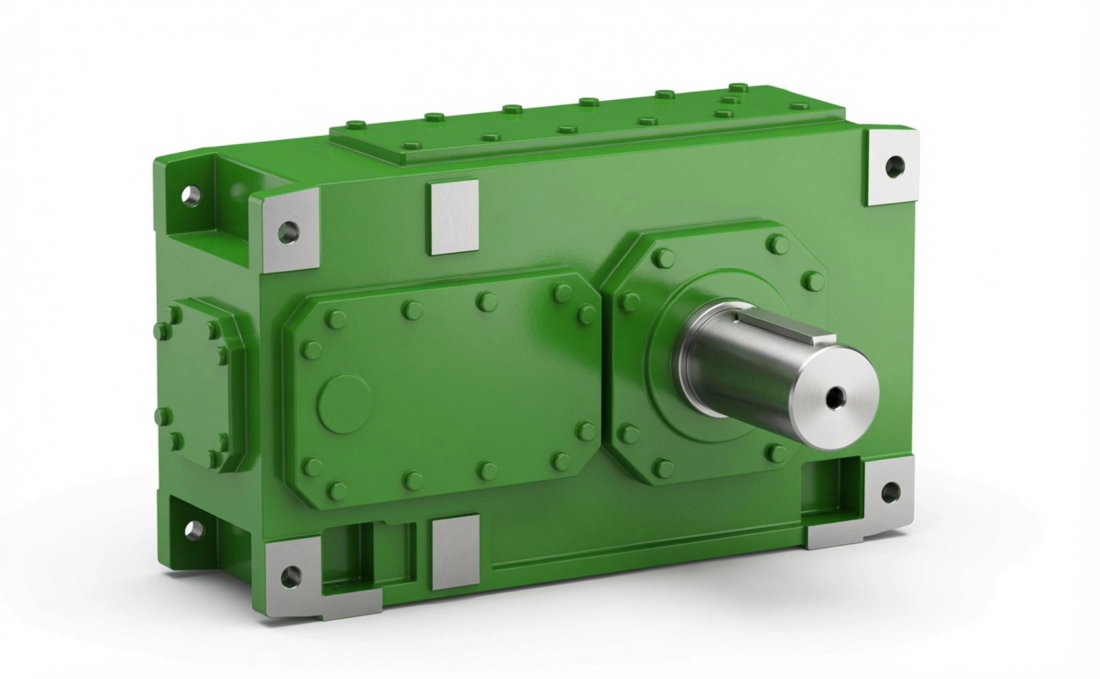
Industrial speed reducers are applied across manufacturing, processing, and material handling sectors. They convert high-speed motor output into the lower speeds and higher torques required by driven machinery. Core advantages include adaptability to diverse applications and the potential for significant energy and maintenance savings when properly specified.
技術仕様
| パラメータ | Typical Range |
|---|---|
| 入力電力 | 0.18 kW to 5000 kW |
| 出力トルク | 10 Nm to 1200000 Nm |
| Ratio | 3:1 to 500:1 |
| Service Factor | 1.0 to 2.5 depending on application |
| 効率 | 85 percent to 97 percent |
| Ambient Conditions | -40 degrees C to +50 degrees C |
動作原理
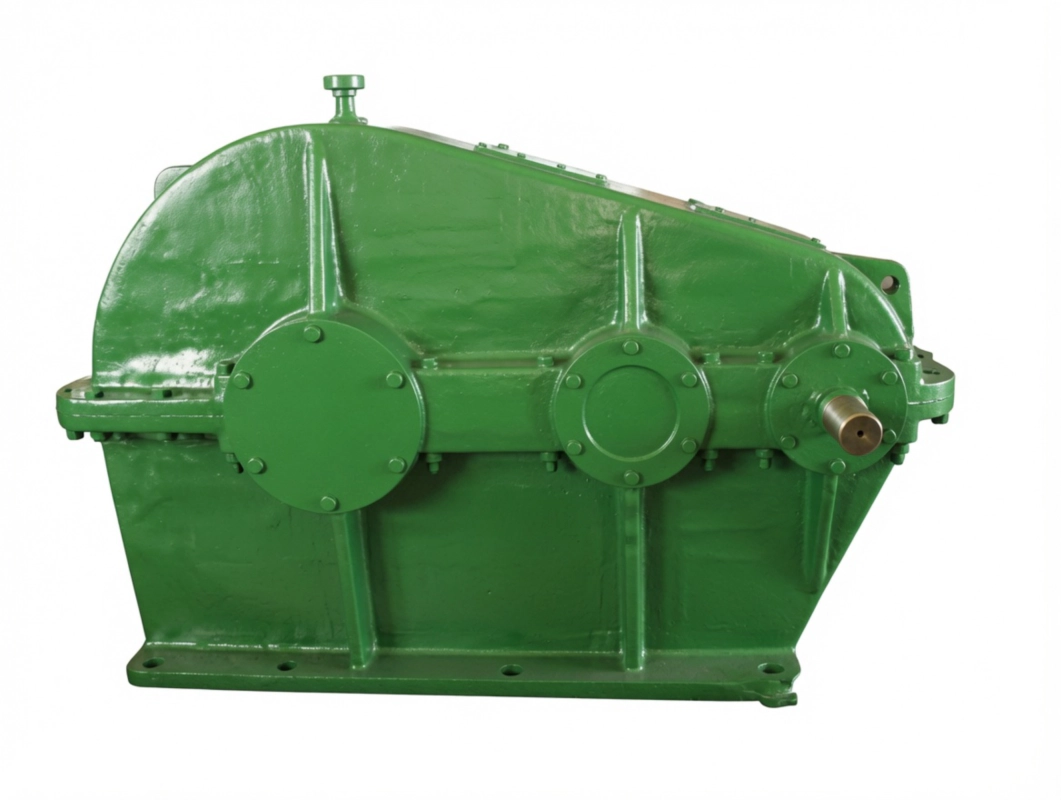
Motor input drives a pinion that meshes with larger gears in one or more reduction stages. Each stage multiplies torque while dividing speed. The final output shaft connects to the driven machine. Gear type (helical, bevel, worm, or planetary) determines efficiency, backlash, and suitability for specific load profiles.

主な利点
Accurate ratio selection matches machine requirements and optimizes process parameters.
Enables use of smaller, more efficient motors while still delivering required output torque.
Many designs incorporate torque-limiting features or can be paired with external devices.
Available in multiple configurations to suit horizontal, vertical, or right-angle drive arrangements.
High-efficiency models reduce electrical consumption, especially in continuous-duty applications.
Smooth power delivery extends the life of chains, belts, and connected machinery.
構造と素材の職人技
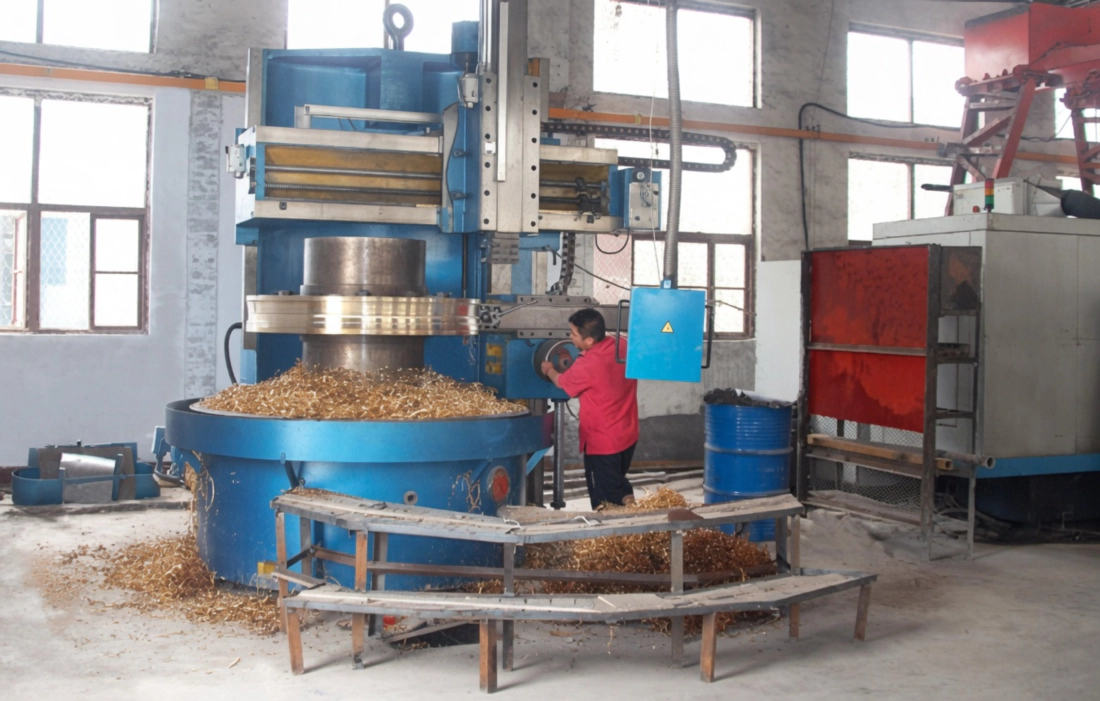
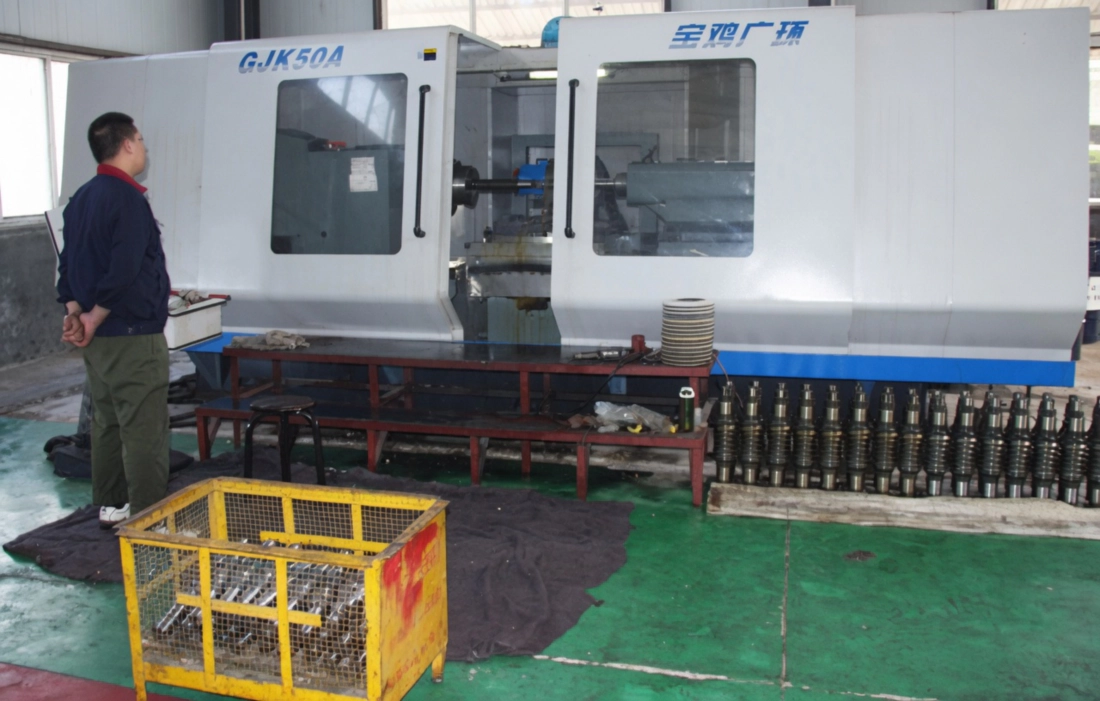
Housings are typically cast iron or fabricated steel with internal reinforcements. Gears are produced from alloy steels, carburized or nitrided, and precision finished. Bearings are selected for combined radial and axial loads. Sealing systems protect internal components from dust, moisture, and lubricant leakage.

典型的なアプリケーションシナリオ
Conveyor Systems: Provides controlled belt speed for bulk material transport in quarries, ports, and warehouses.
Mixers and Agitators: Delivers high torque at low speed for consistent blending of viscous materials.
Pumps and Fans: Matches motor speed to hydraulic or aerodynamic requirements while improving system efficiency.

選択ガイド
Start with required output torque and speed. Calculate the ratio and verify motor compatibility. Apply an appropriate service factor based on load type (uniform, moderate shock, or heavy shock). Consider mounting orientation, available space, and environmental protection needs. Review thermal capacity for continuous operation. Consult manufacturer application engineers for borderline cases or unusual conditions.
他社製品との比較
The table below offers reference equivalents for common size ranges. This information assists with model identification only. EVER POWER is an independent Dutch manufacturer and does not produce or sell counterfeit products associated with any other brand.
| エバーパワーモデル | SEW相当品 | フレンダー相当品 | ボンフィリオリ相当品 | Selection Context |
|---|---|---|---|---|
| EP-SR-100 | R17 | B2SV 04 | TA 30 | Light conveyor duty |
| EP-SR-250 | R47 | B3SV 06 | TA 45 | Mixer application |
| EP-SR-500 | R77 | B4SV 08 | TA 60 | Fan or pump drive |
品質認証とサービスへの取り組み
Quality systems comply with ISO 9001:2015. Products are CE marked. Standard warranty coverage is two years, supported by technical documentation, spare parts, and responsive service from the Netherlands and authorized partners worldwide.
よくある質問
Q: How do I calculate the correct service factor?
A: Start with the driven machine’s load classification (uniform, moderate shock, heavy shock) and multiply the required torque by the recommended factor from industry tables or manufacturer guidelines.
Q: What information is needed for a proper selection?
A: Required output torque or power, input and output speeds, duty cycle, mounting orientation, ambient temperature, and any special environmental conditions.
Q: Can I use a standard unit or is customization necessary?
A: Many applications are covered by standard catalog units. Customization is recommended when space constraints, special ratios, or extreme conditions are present.
Q: How important is thermal capacity in continuous duty?
A: Critical. Continuous operation at high load can cause overheating. Always verify the unit’s thermal rating against actual operating conditions.
Q: Is on-site commissioning support available?
A: Yes. Our technical team or authorized partners can provide installation supervision, alignment checks, and initial startup assistance.
事例研究 – エンジニアの現場ノート
オランダ – Chemical processing plant near Rotterdam. A correctly sized helical reducer was installed on a large agitator. The site engineer recorded stable temperature rise and no vibration issues after twelve months of continuous service.
アメリカ合衆国 – Aggregate processing facility in Texas. The reducer drives a primary crusher feed conveyor. Operations staff confirmed easy alignment during commissioning and consistent performance under variable load conditions.
ブラジル – Sugar mill in São Paulo state. A heavy-duty unit was applied to a juice extraction drive. Maintenance records show extended oil change intervals and positive feedback on build quality relative to previously installed equipment.

協力の呼びかけ
EVER POWER, a Dutch company specializing in industrial power transmission, invites plant engineers and procurement teams to discuss their speed reducer requirements. Proper selection at the outset delivers measurable improvements in uptime and operating cost.
Additional product information is available on the main website. For personalized assistance or to request a quotation, please use the お問い合わせページ. We are prepared to support your project with technically sound and cost-effective solutions.